29 October 2026
How to Experience Authentic Cuban Baking in Aurora CO
Presented by @zaneqlwp396
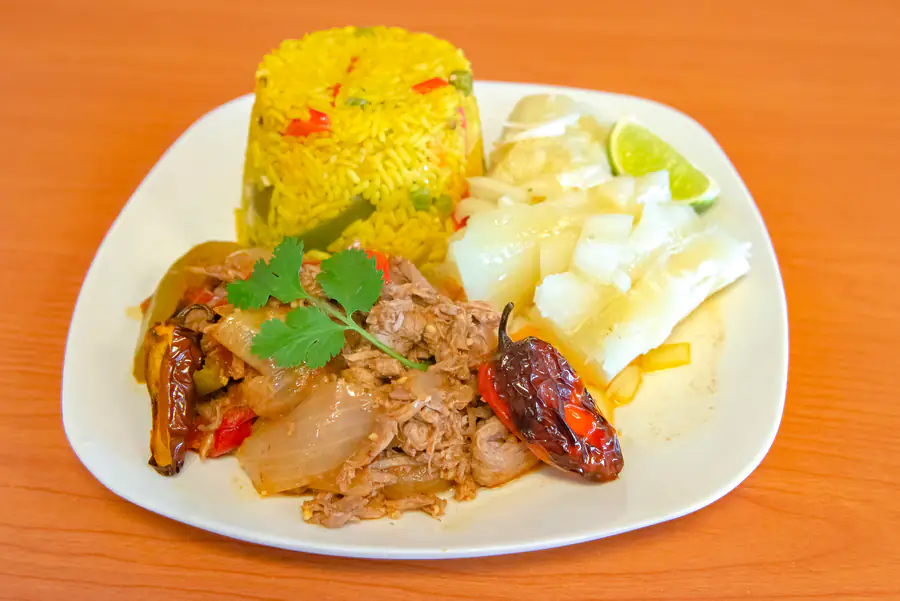
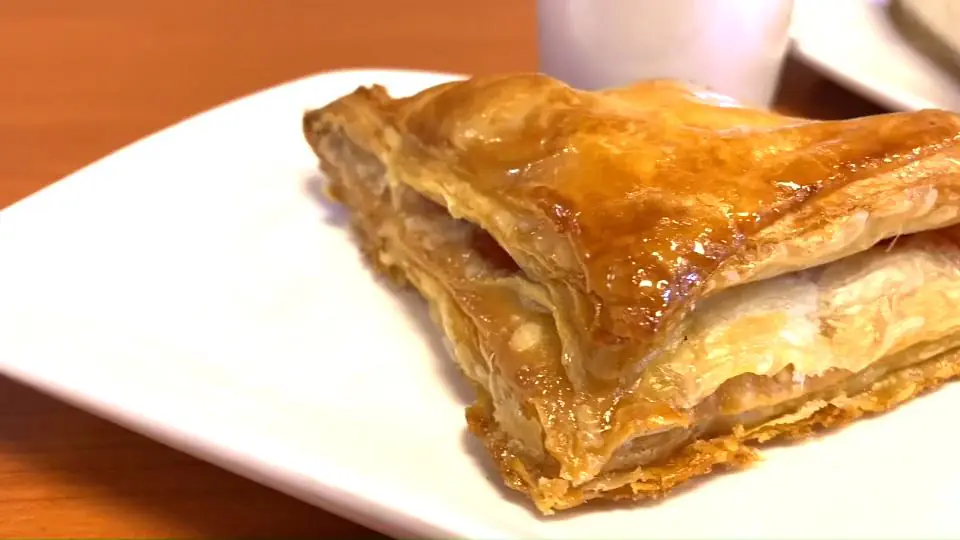
Aurora is not the first place most people think of when they picture Cuban pastries cooling behind glass or trays of golden bread coming out of the oven before sunrise. Yet that is part of the appeal. When Cuban baking shows up far from Miami or Havana, it tends to survive because somebody cares enough to do it properly. Recipes get protected. Techniques stay close to home. The details matter more, not less.
If you are looking for an authentic Cuban bakery Aurora CO experience, the goal is not simply to buy something sweet and call it a day. Real Cuban baking is tied to timing, texture, neighborhood rhythm, and a very specific understanding of what pastry should do. It can be breakfast, an afternoon pause, a social ritual, or the thing you bring to a family table when you do not want to arrive empty-handed. Once you know what to look for, the experience becomes much richer than a quick stop at a counter.
The best Cuban bakeries feel lived in. You notice the smell first, butter and sugar, yes, but also toasted flour, guava, espresso, and sometimes the faint savory pull of ham or pork from pastries meant for breakfast. The case is usually busy, not overly styled. Some items disappear early. Others look humble until you bite in and realize how exact the balance is. That is often the first lesson: authentic Cuban baking rarely needs to perform for Instagram. It wins on flavor, freshness, and proportion.
What makes Cuban baking distinct
Cuban baking sits at an intersection of Spanish pastry traditions, Caribbean ingredients, immigrant adaptation, and the practical needs of everyday life. It is not as heavily frosted or oversized as much of mainstream American bakery culture. It often favors laminated doughs, flaky crusts, fruit pastes, custards, light sweetness, and savory fillings that make sense at 8:00 in the morning as much as 3:00 in the afternoon.
That balance is worth paying attention to. A good Cuban pastry is rarely one-note. A guava pastry should carry brightness and depth, not just sugar. A meat-filled turnover should taste seasoned but restrained. Even the sweeter items usually leave room for coffee, which is not incidental. Cuban baking and Cuban coffee belong together. One sharpens the other.
Texture matters just as much as flavor. If you are trying to spot authenticity, listen for the crackle of a proper flaky pastry when it is cut or bitten. Notice whether the bread has structure instead of softness alone. Look at the filling-to-dough ratio. Experienced bakers know that too much filling weakens the pastry, and too little makes it feel stingy. The best places get that ratio right almost every time.
The pastries worth seeking out first
Most people begin with guava, and that is a sensible starting point. Guava pastries are common for a reason. They show whether a bakery understands contrast. You want a pastry that flakes without collapsing into grease, and a guava center that tastes like fruit rather than candy. If there is cream cheese involved, it should soften the fruit’s intensity, not bury it.
Pastelitos, in their many forms, are often the clearest expression of the bakery’s skill. Guava, guava and cheese, coconut, meat, and sometimes savory combinations like ham and cheese all tell you something different about the kitchen. A good pastelito should feel intentional. The edges should be delicate but not dry, the top often brushed to a shine, the filling neat enough to stay mostly in place.
Croquetas and stuffed pastries belong in the conversation too, even though people sometimes separate them from “baking” in a narrow sense. In many Cuban bakery settings, savory snacks are part of the same daily rhythm. Someone grabbing coffee may also leave with a ham croquette tucked into bread, or a pastry sturdy enough to eat on the way to work. Authenticity shows up in those practical habits.
Then there is Cuban bread. This is where many otherwise solid bakeries reveal their limits. Good Cuban bread is deceptively difficult. It should have a thin crust and a soft but not cottony interior. It needs enough character to hold up to a pressed sandwich, but enough tenderness to feel distinct from French or Italian loaves. If a bakery makes excellent pastries but an indifferent bread, the experience feels incomplete.
A few staples are especially useful when you are assessing a bakery for the first time:
- Guava pastelito, because the dough and filling balance is easy to judge.
- A savory pastry, often ham, cheese, or seasoned meat, because salt exposes flaws quickly.
- Cuban bread, if available, because bread quality reflects discipline.
- Café cubano or cortadito, because coffee service often signals whether the place understands the full tradition.
- A house favorite that regulars order without hesitation, because local loyalty usually points to the right thing.
That last point matters. Watch the room. If several customers come in, greet the staff by name, and order the same items without looking at the case, pay attention to what they choose. Long familiarity is better evidence than menu descriptions.
Timing changes everything
If you want the closest thing to a true Cuban bakery Aurora CO experience, go early. This is not a romantic idea. It is practical. Many of the best items are at their peak within hours of baking, and some sell out before noon. Flaky pastries lose some of their crispness as the day wears on. Bread changes. Filled items can still be good later, but they are not identical.
Morning also changes the atmosphere. Early bakery visits have a working-day energy. You may see construction crews, office workers, retirees, parents buying a box for home, and regulars who came mainly for coffee but will almost certainly leave with pastry. That mix tells you something about authenticity. A bakery woven into daily life has a different pulse than a place built mostly for occasional novelty visits.
Late morning can be a sweet spot if you do not like lines but still want fresh product. Midafternoon has its own charm, especially if you prefer a slower experience and do not mind a slightly narrower selection. What matters is knowing the trade-off. If your heart is set on warm bread or the most delicate pastries, do not arrive late and expect the same result.
How to read the pastry case like a regular
People who grew up around Cuban bakeries often make decisions quickly because they know what signals quality. You can learn that skill in one or two visits if you slow down and look carefully.
Freshness shows on the surface. Glazes should catch the light without looking wet or tacky. Puff pastry should have visible lift. Savory pastries should not bleed oil into the tray. Sugar should look deliberate, not as if it was used to rescue a dull product. Bread should not look exhausted or compressed. If the bakery uses labels, that helps, but appearance tells you plenty even before you ask a question.
Staff interaction matters too. A good bakery team can usually tell you what came out recently, what sells fastest, and what to pair together. If you ask which pastries are best in the morning and the answer comes quickly and specifically, that is a promising sign. If the response is vague, it may simply mean you are talking to a newer employee, but it is still worth noting.
Portion size is another useful clue. Cuban pastries are often satisfying without being oversized. If every item is enormous, the bakery may be leaning more toward American expectations than Cuban tradition. That is not automatically bad, but it changes the experience.
Coffee is not an accessory
You can eat a pastelito without coffee, but you miss part of the point. Cuban baking developed alongside strong, sweet coffee traditions, and the pairing is more than customary. The bitterness and intensity of the coffee cut through flaky dough, fruit paste, and buttery richness. Even a simple bread item wakes up next to a small cup of potent espresso.
A cortadito is often the most forgiving place to start if you do not already drink Cuban-style coffee. It softens the sharp edge with milk while keeping the essential character. Café con leche works well with breakfast pastries and bread. A straight café cubano is ideal when you want the pastry to do more of the speaking.
The key is proportion. Cuban coffee is usually served in smaller quantities than standard American drip coffee, but it carries much more intensity. That is why many Cuban pastries are not aggressively sweet. They are designed for each other.
Signs that a bakery is honoring tradition, not borrowing the aesthetic
This distinction matters, especially in cities where global food traditions can get flattened into décor and vague branding. A bakery does not have to be old-fashioned to be authentic, but it should show continuity with the tradition it claims.
Start with the menu. If the core offerings include the expected staples and they are not treated like token items, that is a strong sign. If the bakery clearly understands both sweet and savory forms, even better. Next, consider consistency. Anyone can make one good batch of pastry. The stronger test is whether regulars trust the place enough to stop in several times a week.
Listen to the language at the counter. You may hear Spanish names used naturally, or ordering patterns that reflect familiarity with the food rather than curiosity alone. That does not prove quality on its own, but it adds context. The best bakeries usually feel like they belong to a community before they become a destination for everyone else.
Another clue is restraint. Authentic bakeries tend not to overcomplicate classic items. Guava does not need ten extra flavors. Cuban bread does not need artisanal reinvention every morning. Tradition can evolve, of course, but the strongest places know what not to tamper with.
How to make the most of your first visit
If you are new to Cuban baking, it helps to order with both appetite and curiosity. One sweet item, one savory item, one bread if available, and one coffee usually gives you a clear read on the bakery without overdoing it. Share if you can. Cuban pastries are especially enjoyable when tasted side by side because contrast sharpens your sense of what each one is doing.
It also helps to eat at least one item immediately. This is one of the easiest mistakes first-time visitors make. They buy a mixed box, take it home an hour later, and assume that is the full experience. Some pastries travel well, but flaky pastry is at its best as close to the case as possible. If there is seating, use it. If there is not, eat one in the car while the paper bag is still warm. It is not glamorous, but it is often exactly right.
If you are buying for a group, ask what holds best. Savory pastries and denser sweets usually fare better than the most delicate https://jarederas973.pinehavenscope.com/posts/fresh-out-of-the-oven-at-cuban-bakery-aurora-co laminated items. Bread should be eaten the same day whenever possible. This is not snobbery. It is simply how fresh bakery products work.
Bringing Cuban bakery home without losing the experience
Takeaway is part of bakery culture, so bringing a box home is completely in the spirit of things. The trick is handling it properly. Avoid sealing flaky pastries in plastic while they are warm, because trapped steam ruins crispness. If you need to refresh something later, a few minutes in a moderate oven can help, though it will not perfectly recreate the just-baked state.
For family breakfasts or casual gatherings, Cuban pastries make excellent shared food. Put them on a platter, brew strong coffee, and resist the urge to microwave everything. Heat is not the same as texture. People often improve leftovers more successfully with a toaster oven than a microwave.
A few practical habits make a real difference:
- Eat the flakiest pastries first, ideally within a few hours.
- Keep bread at room temperature, not in the refrigerator.
- Reheat savory pastries briefly in the oven for better texture.
- Pair sweeter pastries with stronger coffee, not sweeter drinks.
- When in doubt, buy fewer items and come back another day for a fresher second round.
That last habit sounds small, but it changes the experience. Authentic bakery culture is built on return visits. You learn the rhythm of the place, the days when certain items are strongest, and the staff begins to recognize your preferences.
Why authenticity in Aurora feels different, and often more meaningful
There is something revealing about finding a strong Cuban bakery in a place like Aurora. In cities where Cuban baking is everywhere, people can take quality for granted. In a more mixed food landscape, a bakery often survives because enough customers understand what it is doing and keep supporting it. That creates a more intentional experience.
You also get a wider range of visitors. Some arrive with childhood memories of guava pastries and café con leche. Others are trying Cuban baking for the first time. Good bakeries serve both groups without diluting the food. That balance takes confidence. It means the bakery can explain what an item is, maybe recommend a first order, but still keep the pastry itself rooted in tradition.
For diners in Aurora, that is an advantage. You do not need to perform expertise. You can come in curious, ask a couple of direct questions, and learn through taste. The bakery becomes a cultural doorway as much as a place to grab breakfast.
The small details regulars notice
After a few visits, your standards sharpen. You start noticing whether the guava tastes brighter one week than another. You compare the flake on different days. You see who orders whole loaves, who leaves with party trays, who comes in only for coffee and still ends up adding one pastry because the case looks too good to resist.
You may also notice that the best Cuban bakery Aurora CO experience is not always about the flashiest item. Sometimes it is a simple roll, a warm bread, or a plain ham pastry made with enough care that it outshines more elaborate desserts elsewhere. That is common in traditions shaped by daily repetition. The essentials have to be good because people eat them constantly.
Season and weather can play a role too. Rich pastries feel different on a cold Colorado morning than they do in humid coastal climates. Coffee tastes sharper, bread feels more comforting, and a warm savory pastry can land almost like a full meal. The setting changes the mood, but the bakery’s success still depends on classic fundamentals.
If you want the experience to feel authentic, act accordingly
There is a difference between consuming a food tradition and participating in it respectfully. You do not need special credentials, but a little awareness goes a long way. Order a classic item before chasing novelty. Try the coffee the way the bakery serves it. Ask a question if you are unsure, then trust the answer. Return at a different time of day. Notice what the regulars are doing.
That is how food traditions make sense. Not as isolated products, but as habits, preferences, and repeated choices. The bakery is selling pastries, yes, but it is also preserving a cadence. Morning coffee. A box for home. Bread for later. A pastry shared across the table. Once you step into that rhythm, the experience feels fuller and more grounded.
Aurora rewards that kind of attention. The city’s food scene has room for discovery if you approach it with patience. Cuban baking, in particular, reveals itself through repeat encounters. The first visit gives you the flavors. The second teaches you timing. The third is when you stop overthinking and start ordering with confidence.
That is usually the moment when a bakery becomes part of your routine rather than a one-time stop. You know which pastry you crave most. You know whether you prefer cortadito or café con leche. You know when the case looks fullest, and when the quiet hour lets you ask more questions. More importantly, you know how authenticity tastes when it is handled with care.
And that, more than any single pastry, is the real pleasure of seeking out Cuban baking in Aurora. It is not just about finding something delicious. It is about recognizing a tradition that has survived travel, adaptation, and distance, then enjoying it in the way it was meant to be enjoyed, fresh, specific, and shared.
Cuba Bakery & Café
15028 E Mississippi Ave, Aurora, CO 80012
+1 303-752-2822
FAQ About Cuban bakery Aurora CO
What are Cuban pastries called?
Many small Cuban pastries are called pastelitos. They can have sweet or savory fillings, such as guava, cheese, guava and cheese, or seasoned meat. Cuba Bakery & Café lists guava, cheese, guava-and-cheese and beef pastries on its menu. Ask the bakery about current availability and ingredients when ordering.
What are traditional Cuban pastries?
Common Cuban bakery choices include flaky pastelitos filled with guava, cheese or meat. Cuban bakeries may also offer empanadas, breads and desserts alongside coffee. Cuba Bakery & Café lists pastelitos, several empanada fillings, pan Cubano and desserts such as tres leches and bread pudding. Selection can vary, so confirm the day's choices with the bakery.
What makes Cuban bread different?
Cuban bread is known for its light interior and a thin crust that becomes crisp when toasted or pressed. Traditional recipes often use lard, although ingredients vary by baker. It is commonly served as buttered toast or used for Cuban sandwiches. Cuba Bakery & Café lists pan Cubano and tostada on its menu; ask staff about the ingredients in their bread if you have dietary restrictions.